
Board Games Group
Fridays, 4:45pm - 6:15pm
Ages 11+
$150/week
540 President Street, Suite 2D
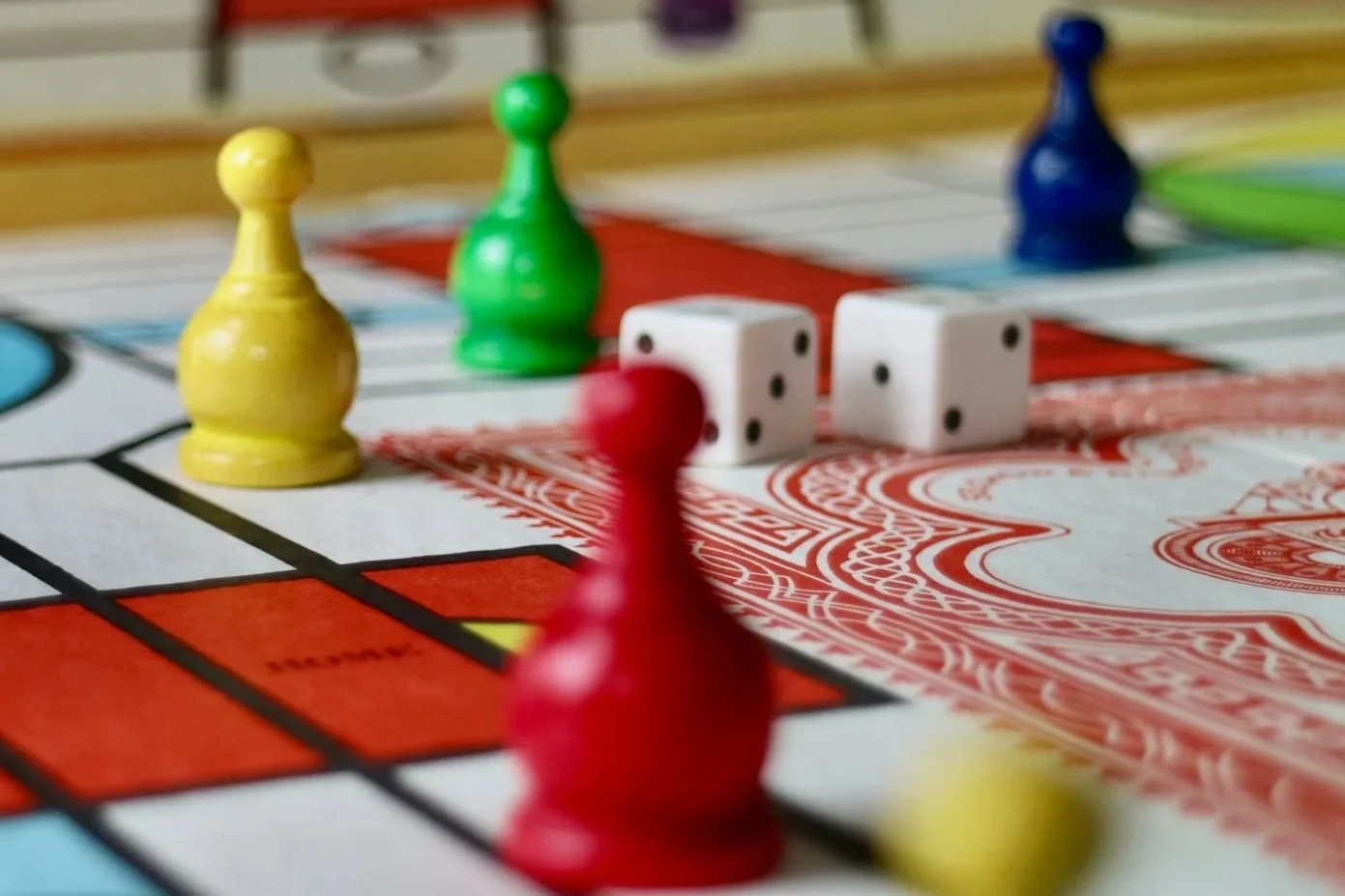
Friendship skills are a lot easier to practice when there’s actually something to do together.
Board games give kids a natural way to connect, laugh, negotiate, take turns, make decisions, disagree, recover from disappointment, and figure out what to do when things don’t go exactly as planned.
Which is why they’re such a great tool for building social and emotional skills.
Our Board Games Social Group is designed for neurodivergent kids who want connection but may need extra support navigating the complicated parts of being in a group.
This isn’t a class about memorizing social rules or learning how to “act normal.” Kids build skills through actual interaction, with therapeutic support available when things get tricky.
What We Work On
Through cooperative and competitive games, kids practice:
Joining and participating in a group
Turn-taking and waiting
Flexible thinking
Handling winning and losing
Managing frustration and disappointment
Reading the room and noticing other people
Perspective-taking
Communication and self-advocacy
Negotiating and compromising
Problem-solving with peers
Recovering after conflict or mistakes
Staying connected even when things don’t go their way
And, importantly, we work on knowing when a child needs a break, a different way to participate, or more support.
What Group Actually Looks Like
We play games.
Sometimes they’re collaborative. Sometimes competitive. Sometimes ridiculous.
And underneath all of that play, there’s a lot happening.
A child has to wait longer than they expected.
Someone changes the plan.
Another player makes a move they don’t like.
A child loses.
Someone misunderstands the rules.
Two kids want the same thing.
Those moments are the work.
Rather than preventing every conflict or frustration, we help kids move through these moments with support. They get to practice flexibility, communication, regulation, repair, and problem-solving while the situation is actually happening.
Who Is This Group For?
This group can be a great fit for kids who:
Want friends but aren’t always sure how to navigate group interactions
Become frustrated when other kids don’t follow their plan
Have difficulty losing, waiting, or changing course
Tend to quit when something becomes uncomfortable
Need support entering or staying engaged with a group
Struggle with conflict, compromise, or perspective-taking
Benefit from explicit support with social and emotional skills
Do better learning through play and experience than through worksheets or lectures
Kids do not need to be naturally enthusiastic board-game players.
The goal isn’t to create children who love board games.
The goal is to use shared play as a safe, engaging place to practice being with other people.
A Different Kind of Social Skills Group
We aren’t teaching kids to perform a script.
We’re helping them develop the skills to participate in relationships while still being themselves.
That means learning how to notice their own needs, understand someone else’s perspective, communicate more effectively, tolerate some discomfort, repair when things go wrong, and decide when they need support.
Because friendship isn’t about doing everything perfectly.
It’s about learning how to stay in relationship when things get complicated.
Frequently Asked Questions
-
No. A diagnosis is not required to join the group.
Many of the kids who participate have diagnoses such as autism, ADHD, learning disabilities, anxiety, or other differences that affect social interaction, flexibility, emotional regulation, or executive functioning. Others may not have a formal diagnosis at all.
What matters most is whether the group is a good fit for your child’s needs. This group is designed for kids who would benefit from extra support navigating things like turn-taking, frustration, compromise, perspective-taking, communication, and being part of a group.
-
We won’t force a child to participate.
If your child is hesitant, anxious, frustrated, or needs time to warm up, we’ll meet them where they are and help them find a way into the group. Sometimes that means watching first, choosing between two games, taking a short break, or joining in gradually.
At the same time, this is a board games group. If your child strongly dislikes board games, consistently refuses to play them, or has no interest in participating even with support, this may not be the right group for them.
The goal is not compliance. It’s supported participation.
A little reluctance is okay. Needing help getting started is okay. Having a hard day is okay. But there does need to be enough interest or willingness for board games to serve as the shared activity that brings the group together.
-
We typically have 6 kids/semester. The group is led by Amy, and she is assisted by two college-aged helpers.
-
The group is for ages 11+. Most of the kids are in middle school/high school.
-
Getting frustrated, disappointed, overwhelmed, or dysregulated is not a failure in this group. In fact, those moments are often where some of the most meaningful learning happens.
We expect kids to be human. They may lose a game and get angry. They may feel left out, misunderstood, or upset when things don’t go their way. When that happens, we slow things down, support regulation, help the child communicate what they need, and work toward rejoining the group when they’re ready.
At the same time, everyone in the group needs to be physically safe.
We can support yelling, crying, shutting down, taking space, needing a break, or having a hard time recovering. We cannot safely run a group when a child is repeatedly hitting, kicking, biting, throwing objects at others, or otherwise putting peers or staff at risk.
If safety concerns come up, we’ll talk with you about what your child needs and whether this group is still the right fit.
The goal is not for kids to never get upset.
The goal is to help them learn that they can have big feelings, get support, recover, and stay connected without anyone getting hurt.
-
A lot more than just learning how to play a game.
Board games naturally bring up many of the same skills kids need in friendships, classrooms, teams, and family life. Depending on the child, we may be working on:
Turn-taking and waiting
Flexible thinking
Handling winning and losing
Managing frustration and disappointment
Problem-solving
Planning and decision-making
Perspective-taking
Reading social cues
Communication and self-advocacy
Negotiating and compromising
Staying engaged when something is hard
Recovering after mistakes or conflict
Noticing how their behavior affects other people
Asking for help
Joining a group and participating with peers
Different kids will be working on different things. One child may be practicing how to lose without quitting. Another may be working on sharing control. Another may be learning how to speak up when they’re confused or overwhelmed.
The game gives us something to do together. The real goal is helping kids become more flexible, confident, connected, and capable in relationships.
-
Yes! About halfway through the semester, you will receive an invitation to sign-up for a 30 minute meeting with Amy. At the end of the semester, you will receive written feedback about how the semester has gone.